
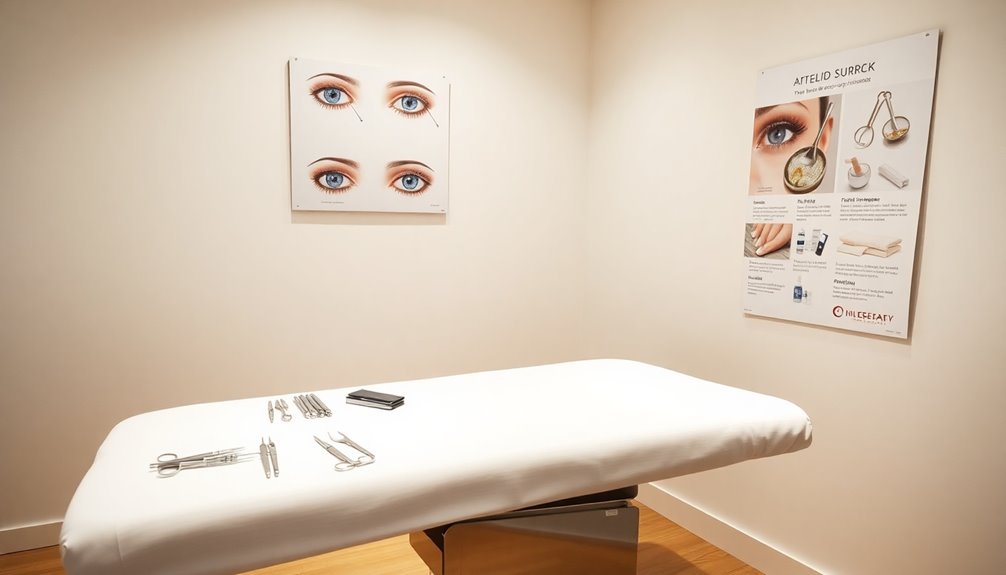
Preparing for eyelid surgery involves organizing a checklist, scheduling a pre-surgery consultation, and arranging transportation. On the day of the surgery, arrive early and wear comfortable clothing. After the procedure, manage pain and swelling with ice and follow your surgeon’s aftercare instructions. Stay hydrated and guarantee proper nutrition for healing. It’s vital to monitor for complications, like excessive swelling or vision changes. Continue exploring more important tips for a smooth recovery process.
Article Highlights
- Schedule a consultation two weeks before surgery to discuss concerns and set expectations with your surgeon.
- Prepare a checklist of necessary items, including ice packs and medications, three days prior to the surgery.
- Arrange for transportation and a companion to assist you on the day of the procedure and during recovery.
- Manage swelling post-surgery by applying ice therapy for the first 48 hours and keeping your head elevated while sleeping.
- Stay hydrated and focus on a nutritious diet rich in leafy greens, lean proteins, and whole grains to support healing.
Understanding Eyelid Surgery: What You Need to Know
Eyelid surgery, furthermore known as blepharoplasty, is a procedure aimed at improving the appearance of your eyes by removing excess skin, fat, or muscle. Before you decide to undergo this surgery, it’s crucial to evaluate the risks involved, such as infection, scarring, or complications with anesthesia. Comprehending these risks helps you make an informed decision and feel more connected to others who’ve shared similar experiences. Patient candidacy plays a significant role in determining if you’re a good fit for the procedure; factors like age, skin condition, and overall health matter. Talking to your surgeon about your goals and concerns can help you feel more confident in your choice and guarantee you’re supported throughout this process.
Understanding the Benefits of Eyelid Surgery: Enhancing Appearance and Vision
When considering eyelid surgery, you might be surprised by the range of benefits it offers beyond just aesthetics. Not only can this procedure provide significant cosmetic improvement, giving you a more youthful and refreshed appearance, but it can likewise dramatically improve your vision. If you’ve been struggling with droopy eyelids that obstruct your line of sight, eyelid surgery can help restore your field of vision, making daily activities more enjoyable. You’ll likely find a boost in confidence as you look in the mirror and see a brighter, more alert version of yourself. In the end, eyelid surgery can elevate both your appearance and your quality of life, allowing you to connect with others in a way that feels authentic and empowering.
Preparing for Your Eyelid Surgery: Essential Steps
As you prepare for your eyelid surgery, it’s important to follow some vital steps to guarantee a smooth experience. Start by creating a pre-surgery checklist to keep everything organized. This checklist should include:
| Task | Timing | Notes |
|---|---|---|
| Schedule a consultation | 2 weeks prior | Discuss concerns |
| Arrange transportation | 1 week prior | Someone to drive you |
| Gather necessary items | 3 days prior | Ice packs, medications |
Alongside these practical steps, don’t forget the significance of mental preparation. Take time to visualize your recovery and outcomes; it can help ease anxiety. By following these fundamental steps, you’ll feel more confident and ready for your procedure.
What to Expect on the Day of Your Eyelid Surgery
On the day of your eyelid surgery, you’ll start by following pre-operative instructions to guarantee everything goes smoothly. You’ll get a clear timeline of the surgical procedure, so you know what to expect at each step. After the surgery, immediate post-operative care will be vital for a successful recovery.
Pre-Operative Instructions Overview
Though the day of your eyelid surgery may feel intimidating, knowing what to expect can help ease your nerves. Here’s a quick pre-operative checklist to guide you through the day:
- Follow medication guidelines: Avoid blood thinners and adhere to your doctor’s recommendations.
- Arrive early: Give yourself plenty of time to check in and relax before the procedure.
- Bring a companion: Having someone with you can provide support and help with transportation post-surgery.
- Wear comfortable clothing: Opt for loose-fitting attire that allows easy access to your upper body.
Surgical Procedure Timeline
When you arrive for your eyelid surgery, you’ll first check in and complete any necessary paperwork. After that, you’ll meet with your surgeon to discuss the procedure and address any concerns about surgical risks. It’s normal to feel a mix of excitement and anxiety, but remember, you’re not alone in this expedition.
Once you’re ready, you’ll be taken to the operating room where anesthesia will be administered. The surgery itself usually takes about one to two hours. After the procedure, you’ll start your healing process, so it’s important to follow your surgeon’s instructions closely. They’ll guide you on what to expect as your eyelids recover, helping you feel supported and informed every step of the way.
Immediate Post-Operative Care
As you begin your recovery right after eyelid surgery, it’s essential to be prepared for what to expect throughout the day. Here are some key points to keep in mind:
- Pain Management: You might experience some discomfort, but your doctor will provide medication to help you manage it effectively.
- Ice Packs: Use ice packs on your eyelids to reduce swelling and bruising; apply for 20 minutes at a time.
- Activity Restrictions: Avoid strenuous activities or bending over for at least a few days to promote healing.
- Follow-Up: Schedule a follow-up appointment with your surgeon to verify everything’s healing as it should.
Taking it easy today will help set the stage for a smoother recovery!
Aftercare Tips for a Smooth Recovery
After your eyelid surgery, managing swelling and bruising is essential for a smooth recovery. It’s likewise important to keep up with your follow-up appointments to guarantee everything’s healing properly. These steps will help you achieve the best results and minimize any complications.
Managing Swelling And Bruising
Managing swelling and bruising is crucial for a smooth recovery after eyelid surgery. Here are some tips to help you through this process:
- Apply Ice Therapy: Use ice packs for the first 48 hours to reduce swelling. Just make sure to wrap them in a cloth to avoid direct contact with your skin.
- Stay Raised: Keep your head raised, especially during sleeping, to minimize swelling.
- Stay Hydrated: Drink plenty of water to support healing. It helps flush out toxins and keeps your skin hydrated.
- Consider Herbal Remedies: Natural options like arnica or chamomile can soothe bruising. Always check with your doctor before trying new remedies.
Follow-Up Appointments Importance
Even though it might be tempting to skip follow-up appointments after your eyelid surgery, doing so can hinder your recovery. These appointments are vital for monitoring your healing process and addressing any concerns. They likewise provide an opportunity for you to discuss your progress with your surgeon, nurturing that important communication. Remember, your surgeon is there to support you and answer any questions you might have.
If you’re worried about fitting these visits into your schedule, don’t hesitate to ask about scheduling flexibility. Many practices understand life gets busy and are willing to accommodate your needs. By prioritizing follow-up appointments, you’re taking an important step toward a smooth recovery and ensuring the best possible outcome for your eyelid surgery.
How to Manage Discomfort After Eyelid Surgery
How can you ease discomfort after eyelid surgery? Managing pain effectively is key for a smooth recovery. Here are some helpful tips to reflect upon:
- Ice Application: Apply ice packs to your eyes for 15-20 minutes every hour. This can help reduce swelling and provide pain relief.
- Follow Medication Guidelines: Take prescribed pain relief medications as directed. Don’t wait until the pain becomes severe.
- Stay Raised: Keep your head raised during rest to minimize swelling and discomfort.
- Gentle Activities: Engage in light, relaxing activities to distract yourself from any discomfort but avoid straining your eyes.
Nutrition Tips for Recovery After Eyelid Surgery
After eyelid surgery, focusing on your nutrition can greatly improve your recovery. Nourishing your body with nutrient-rich foods and staying hydrated plays a crucial role in healing. Here are some tips to guide you:
| Nutrient-Rich Foods | Benefits |
|---|---|
| Leafy Greens | Promote healing |
| Lean Proteins | Repair tissues |
| Berries | Reduce inflammation |
| Whole Grains | Provide sustained energy |
Don’t forget about hydration importance—aim for at least eight glasses of water daily. This helps flush out toxins and keeps your skin healthy. By embracing these nutrition tips, you’ll feel more energized and support your body’s recovery process. You’re on the right path!
When to Contact Your Surgeon: Recognizing Complications
Recognizing the signs of complications after eyelid surgery is vital for a smooth recovery. Staying in touch with your surgeon is paramount, so don’t hesitate to reach out if you notice any of these complication symptoms:
- Excessive swelling that doesn’t subside.
- Persistent pain that worsens over time.
- Unusual redness or discharge from the incision site.
- Vision changes or blurred eyesight.
These symptoms may indicate a potential issue that needs immediate attention. Open surgeon communication can help guarantee you’re on the right path to recovery. Remember, you’re not alone in this expedition, and your surgeon is there to support you. Trust your instincts—if something feels off, it’s always better to check in.
Recovery Timeline After Eyelid Surgery
Comprehending the recovery timeline after eyelid surgery can help set realistic expectations for your healing process. Typically, you can expect some swelling and bruising for the first few days. During this time, it’s vital to focus on pain management, using prescribed medications as needed. Most people return to light activities after a week, but it’s important to follow your surgeon’s guidance on activity restrictions. Avoid strenuous exercise or heavy lifting for at least two weeks to promote proper healing. By the end of the first month, many of the visible effects will have faded, allowing you to enjoy your results. Remember, everyone heals at their own pace, so prioritize self-care and reach out to others for support.
Frequently Asked Questions
Will My Insurance Cover the Cost of Eyelid Surgery?
Whether your insurance covers eyelid surgery depends on your specific insurance policies and their coverage criteria. If the procedure is deemed medically necessary—like correcting vision issues—it’s more likely to be covered. You should reach out to your insurance provider to understand your benefits better. They can guide you through the process and clarify what documentation you’ll need to submit. It’s always worth checking, as you might be pleasantly surprised!
Can I Drive Myself Home After the Procedure?
No, you shouldn’t drive yourself home after the procedure! Picture zooming down the road with blurry vision—definitely not a safe ride! After eyelid surgery, your eyes will need time to recover, and you’ll likely be groggy from anesthesia. It’s essential for your post-operative care to have a friend or family member pick you up. This way, you can focus on your recovery timeline without worrying about the drive. Your safety matters!
How Long Should I Take off Work After Surgery?
You should plan to take about one to two weeks off work after your surgery, depending on your recovery timeline and how you’re feeling. It’s important to check your workplace policies, as some employers might have specific guidelines for medical leave. During this time, focus on healing and don’t rush back. You want to guarantee you’re fully ready to jump back into your routine, feeling refreshed and confident.
Are There Any Age Restrictions for Eyelid Surgery?
There’s no strict age limit for eyelid surgery; it’s more about your individual needs. Suitable candidates typically include those who’ve got sagging skin or puffiness, regardless of being young or older. A common misconception is that only older adults can benefit from this procedure. If you’re considering it, what truly matters is your overall health and motivation, not just a number. Embracing your unique path is what makes this decision feel right for you.
What Type of Anesthesia Will Be Used During the Surgery?
During your eyelid surgery, you might receive local anesthesia or general anesthesia, depending on your specific needs and the extent of the procedure. Local anesthesia numbs just the eyelid area, allowing you to stay awake but relaxed. If your surgeon recommends general anesthesia, you’ll be fully asleep during the surgery. It’s all about what makes you feel most comfortable, so don’t hesitate to discuss your preferences with your surgeon beforehand.


